
Candles are one of those little items we buy for our homes where the price varies wildly. How can some candles cost upwards of £30 and other candles the same size be bought for £3 in a home bargain store?
Before I looked into making my own candles, I could not understand this price differential. I thought if you were sensible you’d buy the cheaper ones and never touch the luxury brands. Who would pay £30 for a candle? But it turns out that (of course) it isn’t quite that simple.
Let’s delve into the difference in pricing, and more importantly, how to be a savvy consumer when it comes to candlelight. I’ve broken candles down into four categories so you can better understand what you’re getting when you hand over your hard-earned cash!
1. Cheap Ingredients, Lower Price
- Paraffin wax
- Synthetic fragrances
These are the cheap and cheerful products you can pick up for minimum cost. If you’re paying £3 or less for a small candle, this is most likely what you are getting. Although these candles will do the job just fine, what you are burning is something that is mass-produced from a by-product of the oil industry (paraffin wax) and if it’s scented, then it will contain synthetic fragrances that have no legal requirement to list what it contained within them.
Synthetic fragrances contain (to list a few) phthalates, aldehydes, parabens and aluminium-based salts that are contaminants associated with allergies, breast cancer, reproductive disorders (especially in males), skin allergies, nervous system damage and migraine headaches (study).
Nice huh?
That lovely vanilla or pine smell you can’t get enough of in a cheap candle? It comes straight out of a chemical laboratory and it is no good for you at all.
2. Cheap Ingredients, Higher Price
- Paraffin wax (or a paraffin blend)
- Synthetic fragrances (or a blend with some essential oil)
This is probably the type of candle I am most passionate about not buying. Sellers will often use a mix of waxes, or a plant-based wax predominantly, and then advertise their candles as being natural or environmentally friendly. These candles may contain some essential oils (natural fragrances), alongside synthetic fragrance oils.
They are marketed and sold at a higher price, often with the much-abused word “natural” but aside from the different wax content (and sometimes it’s still 100% paraffin wax and 100% synthetic fragrance), there isn’t much about these candles that are better for you health-wise than the cheaper options.
Buyer beware – if you’re buying paraffin wax and synthetic fragrance at a higher price you’re paying way over the odds for a candle that is cheap to make and has a dubious effect on your health (I’m looking at you Jo Malone and Dyptyque, both of which use paraffin wax!).
3. Quality Ingredients, Lower Price
- Plant-based waxes
- Essential oil fragrance
This is the category that a lot of new candle-making businesses start in, and then subsequently fail because they cannot compete with high-street prices and do not see the value of what they are providing. Or they move on to cheaper ingredients instead so they can make a profit and sustain their business.
When you’ve been told a hundred times your candles are too expensive because you can get them in Ikea for a couple of quid, then you are not selling to the right audience. Sadly, this can often result in business owners giving up because they think there is no demand for a product that’s better for you and the planet.
To every conscientious chandler making quality candles from natural ingredients and struggling to cover your costs, I salute you. And I encourage you to raise your prices and stop competing with mass-market sellers on Etsy. Find your demand elsewhere – the UK is the third largest importer of candles in the world. Let me repeat that – the UK is importing more candles than almost every other place on earth. There is a massive demand for candles here, and if you maintain pricing integrity and persevere, you will find your customers, and they will find you.
4. Quality Ingredients, Higher Price
- Plant-based waxes
- Essential oil fragrance
This is my favourite kind of candle! When you buy 100% plant-based waxes, unscented or fragranced with essential oil scents, you’re buying the cleanest and most sustainable candles currently available.
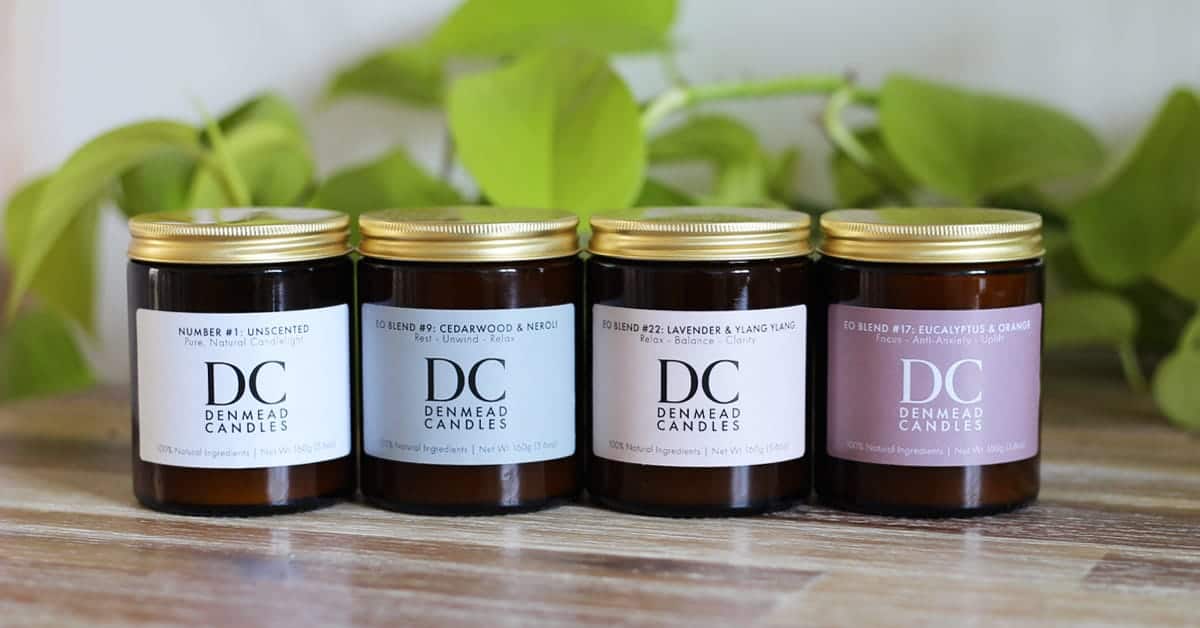
This is what we strive to produce here at Denmead Candles. We don’t use synthetic wax or fragrances, and we also don’t use essential oils that have resulted in over-harvesting (like sandalwood and frankincense – both of which are now endangered or near endangered trees).
We produce candles that smell great, burn smoothly and do not pollute your home or your body. Sustainability is important to us and we always want to be using the healthiest option for both people and planet.
Best of all, when candles contain 100% essential oils, burning them provides an aromatherapy benefit from the scent of the oils as they fill your home. The subtle, natural scents of essential oils have proven health benefits and can help you relax, reduce anxiety, focus better, and feel happier.
A Word About Designer Brands
In my travels, I’ve found some really expensive candles. For the most part, I’ve been so pleased to find out they are plant-based waxes with essential oil fragrances, and I think that’s great. However, there are designers out there charging a small fortune for candles that are made with cheaper, toxic ingredients and consumers are none-the-wiser unless they read the small print.
I’m not telling you to give up your £50 candle, especially if you adore the scent (and it doesn’t give you a headache), but if you’re a savvy shopper it’s worth reading the small print to find out if your £50 is paying for all-natural ingredients. Or not.
Parting Words
Like a lot of things in life, when it comes to candles you don’t always get what you pay for. If quality and health matter to you, then look for plant-based waxes (100%, not a blend), and all-natural fragrances (remember that “cruelty-free” doesn’t mean chemical-free).
Hint: if the scent is “buttered croissant” or “luxurious latte” it probably doesn’t have any real food in it.
Armed with this knowledge you can now buy your candles and be certain of whether you are getting value for money. You can burn them safe in the knowledge that not only are they free of carcinogens, but if they contain essential oils, they can help relax, de-stress and invigorate you, and make your home a healthier and happier place to be.